


Understanding the difference between hard and soft wax is essential for any professional esthetician. Each wax type offers unique benefits, and knowing when to use each formula allows you to deliver optimal results for every client—regardless of skin type, hair texture, or service area.
Whether you’re refining your technique or expanding your product knowledge, mastering both wax types will elevate your services, improve client comfort, and position you as a confident, knowledgeable professional.
READ: Guide to Choosing the Right Hard Wax Beads for Your Salon in 2026

Why Professionals Should Know the Difference
Using a single wax for all services may seem efficient, but it limits your ability to provide tailored care. Expertise in both hard wax and soft wax allows you to:
-
Deliver precise, client-specific results.
-
Adapt to varying skin sensitivities and hair textures.
-
Expand your technical skills and confidence in all service areas.
-
Establish yourself as a trusted authority in professional waxing.
The best estheticians understand their wax formulas inside and out—melting points, consistency, application techniques, and optimal removal methods—to ensure superior results every time.
READ: What is the Best Wax for Professionals?
Stripless Hard Wax
- Often less painful than other waxing methods
- Less Mess
- Doesn’t stick to your skin
- Excellent at grabbing shorter hair
- Ideal for working in smaller sections and areas like underarms, and facial, Brazilian, and bikini waxing
- Can be applied twice on the same spot when necessary
- Can be applied thicker than soft wax
Soft Strip Wax
- Adheres well to micro-tiny and fine hair
- Ideal for larger body parts
- Gives maximum spreadability
- Excellent for speed waxing
- Has a longer setting time
- Exfoliating
- Works well on short to long hair
- Applied in thin layers
Hard Wax
Hard wax formulas, including polymer-based film waxes and non-polymer blends, harden over the hair without adhering to the skin, reducing discomfort. They are ideal for sensitive areas like the bikini line, underarms, and face.
Application Tips for Professionals:
- Heat the wax to the recommended temperature.
- Apply in the direction of hair growth in even strips.
- Allow the wax to cool slightly, hold skin taut, and remove in the opposite direction.
- Apply pressure immediately post-removal to minimize discomfort.

StarFLEX Malva Ultra-Flexible Hard Wax (2.2lb - 22lb)
- Regular
- from $23.12
- Sale
- from $23.12
- Regular
-
Sold Out
- Unit Price
- per

Coral Film Hard Wax Microbeads (2.2lb - 30lb)
- Regular
- from $23.92
- Sale
- from $23.92
- Regular
-
$114.90
Sold Out
- Unit Price
- per

Starsoft Film Hard Wax Microbeads (2.2lb - 30lb)
- Regular
- from $27.12
- Sale
- from $27.12
- Regular
-
$33.90
Sold Out
- Unit Price
- per

Hypoallergenic Pink Film Hard Wax Microbeads (1lb - 30lb)
- Regular
- from $22.32
- Sale
- from $22.32
- Regular
-
$94.90
Sold Out
- Unit Price
- per

Soft Wax
Soft wax requires strips and is typically applied in thin layers. It excels at covering large areas quickly, making it ideal for speed waxing while providing consistent hair removal. Soft wax also works well on fine facial hairs, including vellus hair.
Application Tips:
- Heat wax to the recommended temperature (65–75°C for cans, 90°C initial melt).
- Apply thin layers in the direction of hair growth.
- Press strip onto wax, hold skin taut, and remove against hair growth.
Ideal for Clients:
- Normal to thick skin types
- All hair textures.
- Speed-focused services where large surface coverage is needed.
Professional Advantages: Soft wax roll-ons reduce mess, minimize cross-contamination, and streamline large-area services like back or leg waxing.

Brazilian Waxing Hard Wax Trio
- Regular
- from $92.66
- Sale
- from $92.66
- Regular
-
$132.93
Sold Out
- Unit Price
- per

Beginner Esthetician Waxing Kits
- Regular
- from $143.57
- Sale
- from $143.57
- Regular
-
$195.40
Sold Out
- Unit Price
- per
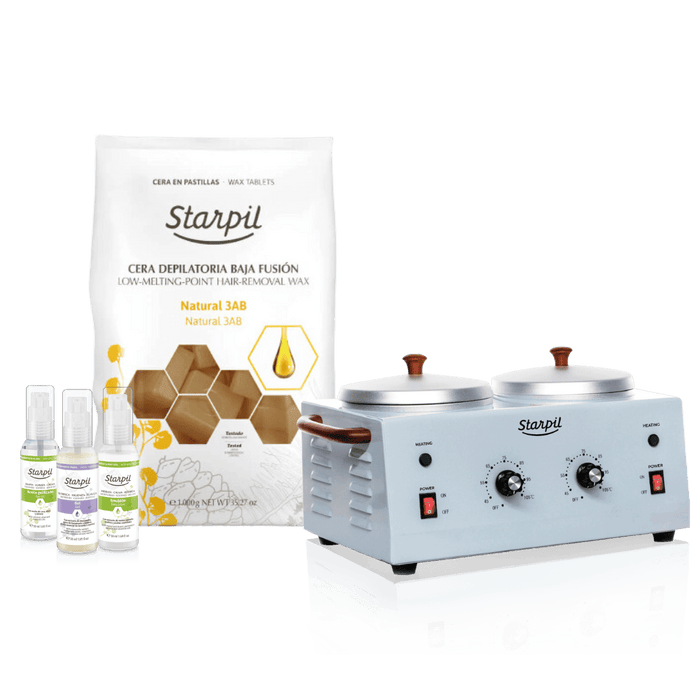
Eco Conscious Waxing Kit
- Regular
- from $105.06
- Sale
- from $105.06
- Regular
-
$134.50
Sold Out
- Unit Price
- per
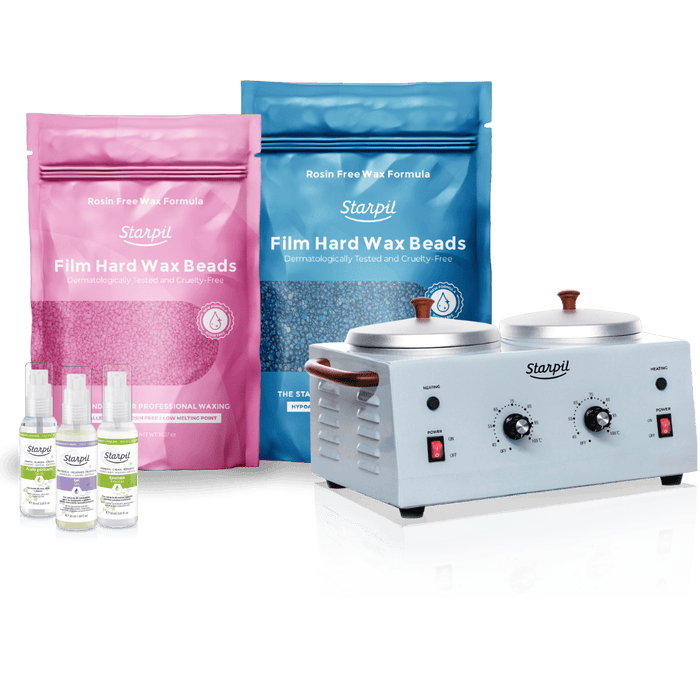
Esthetician Student Waxing Kits
- Regular
- $138.60
- Sale
- $138.60
- Regular
-
$137.50
Sold Out
- Unit Price
- per

Facial Waxing Hard Wax Trio
- Regular
- $99.14
- Sale
- $99.14
- Regular
-
$144.63
Sold Out
- Unit Price
- per
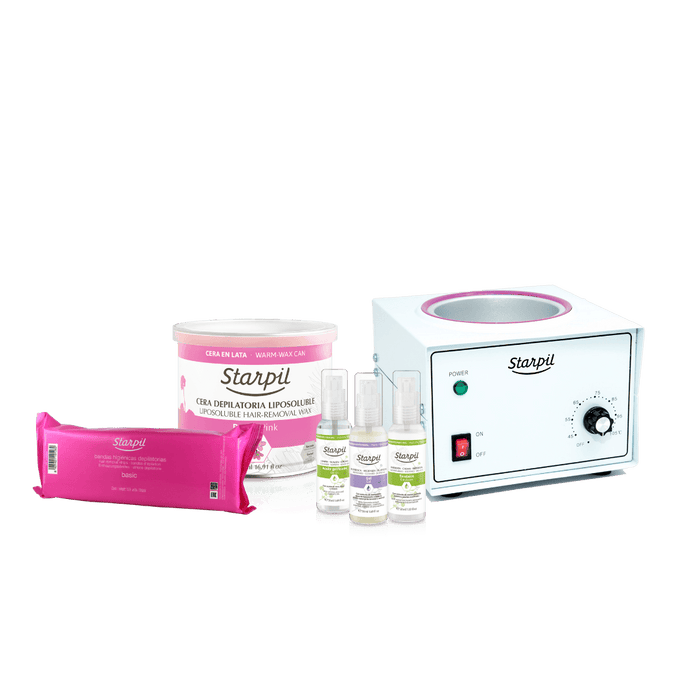
Facial Waxing Kits for Professionals
- Regular
- from $79.92
- Sale
- from $79.92
- Regular
-
$137.50
Sold Out
- Unit Price
- per

Hard Wax Starter Trio
- Regular
- $92.66
- Sale
- $92.66
- Regular
-
$132.93
Sold Out
- Unit Price
- per

Luxury Hard Wax Trio
- Regular
- $105.62
- Sale
- $105.62
- Regular
-
$154.53
Sold Out
- Unit Price
- per
Final Thoughts
Both hard and soft wax have distinct advantages. For professional estheticians, offering both allows you to meet any client need efficiently while elevating the quality of your services. Understanding each formula’s characteristics, ideal applications, and client-specific benefits positions you at the forefront of professional waxing.
Master both wax types, refine your technique, and deliver results your clients will trust—and return for—every time.
Trending Now
Brazilian Wax Etiquette - A Guide for Estheticians

Learn how to give a professional Brazilian wax with confidence. This guide covers essential Brazilian wax etiquette, client preparation tips, post-wax care, and recommended products to ensure a smooth, comfortable,...
Expert Tips for Efficient and Pain-Free Waxing

As a professional esthetician or salon owner, ensuring your clients have a smooth and pain-free waxing experience is essential for client satisfaction and retention. Even though waxing involves some discomfort,... Read More
How to Market Your Salon's Waxing Services Effectively

In the competitive esthetics industry, effective marketing is essential for attracting new waxing clients and retaining loyal ones. This comprehensive guide explores powerful strategies to promote your salon's waxing services,...